
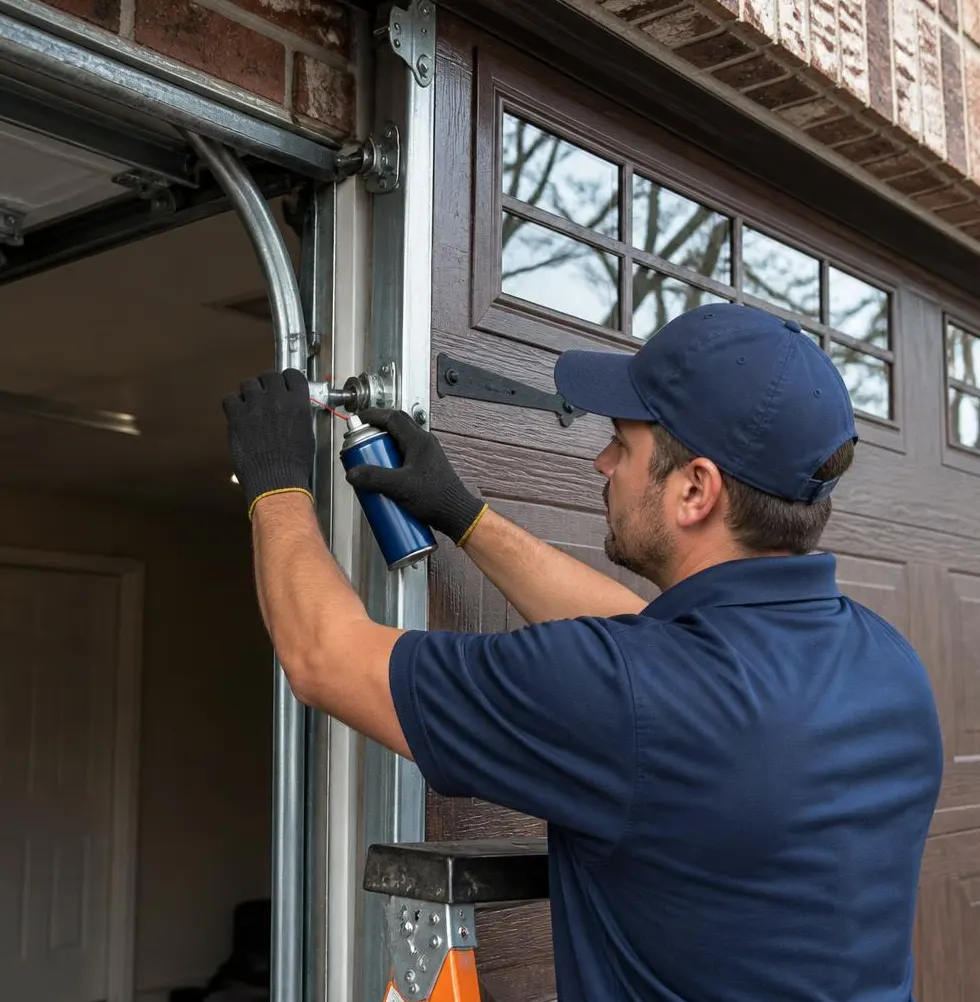
Garage Door Windows: What to Look For, What to Skip, and What to Ask
If you want natural light in your garage without giving up security or energy efficiency, the safest bet is insulated glass inserts placed in the top panel only — everything beyond that is a trade-off worth thinking through before you sign a contract.
There are real exceptions. If your garage faces the street and sits close to a bedroom window, you may want obscure or frosted glass instead of clear, even in the top panel, just for privacy. If your garage doubles as a workshop and you're in it most days, more glass across more panels can be worth the small efficiency hit because you'll actually use that daylight. And if your door faces north and rarely sees direct sun, windows will do less for you than they would on a south- or west-facing door — in that case, spend the money elsewhere.
What to Look For
- Insulated (dual-pane) glass. Single-pane inserts look the same from the driveway but transfer heat and cold much faster. Given how much our temperatures swing between a humid summer and an icy winter, that difference shows up in both comfort and your heating bill if the garage is attached.
- Frosted or textured glass. You still get daylight without anyone seeing exactly what's parked or stored inside — a reasonable middle ground for homes close to the road.
- Window placement. Panels placed high, away from where road salt and slush splash during winter, hold up longer than low panels that take a direct hit from plow spray and freeze-thaw cycling.
- Impact-rated or laminated glass. Worth asking about directly, since we do get spring storm and tornado season here, and a door with laminated inserts is less likely to let a branch or debris punch straight through.
- Frame material. Vinyl or composite window frames resist corrosion from road salt and moisture far better than bare aluminum trim that's been through a few Ohio winters.
What to Ignore
- Decorative grille patterns. Snap-in grids and cathedral shapes are cosmetic. Pick them to match your house style, not because a sales flyer says they add value.
- Heavy marketing around UV protection. It's a minor benefit for a garage that already has limited direct sun exposure compared to, say, a sunroom. Don't pay a premium for it.
- Oversized single-pane windows on street-facing doors. They look dramatic in a brochure photo, but on an attached garage facing the road, large clear panels advertise what's inside and give almost no privacy. If you like the look, ask for the same layout in obscure glass instead.
Questions to Ask Before You Buy
- Is the glass insulated, and how does the door's overall R-value change with windows added versus without them?
- Can I get the same window layout in frosted or obscure glass instead of clear?
- Are the seals rated for repeated freeze-thaw cycling, not just general weatherproofing?
- Is impact-rated glass available, and what's the difference in cost versus standard tempered glass?
- Can windows be added to my current door, or does this only apply if I'm replacing the whole unit?
A Security Note Worth Taking Seriously
Large single panes near the top corner of a garage door, close to where the emergency release cord hangs inside, are a known entry point. A determined person can break the glass and reach in to trip the release manually. Smaller individual panes, obscure glass, or windows placed farther from the release mechanism all reduce that risk without sacrificing the light you wanted in the first place. If you're in a detached garage used for tools or equipment, this is worth prioritizing over appearance.
Where Insulation Actually Gets Lost
Windows are almost always the weakest point in a garage door's insulation, simply because glass conducts heat faster than the insulated steel or fiberglass around it. More window panels means more seams and more seals, which means more spots that can dry out or crack over the years, especially with the wide temperature swings we get between January and July. If you're replacing an aging door and want windows, pair them with a fully insulated door rather than bolting glass onto a thin, uninsulated panel — otherwise you end up with a door that looks upgraded but performs worse than your old one.
When to Call Beaver Garage Door Experts
If you're weighing window options for a new door, our Garage Door Installation service includes walking through insulation ratings, glass types, and placement with your specific garage orientation and street exposure in mind — not just the catalog photo. If you already have window inserts that are fogged, cracked, or letting in a draft, our Garage Door Maintenance visit covers inspecting the seals and glazing and recommending a repair or replacement insert that actually fits your door's model and age, rather than a generic swap.
Serving Beaver, Waverly, Piketon, Jackson, Wellston, Lucasville, Jasper, and Latham — if you're ready to talk through garage door windows for your home, give Beaver Garage Door Experts a call and we'll help you figure out what's actually worth it for your door and your driveway.